

Polski
Keynote Speakers
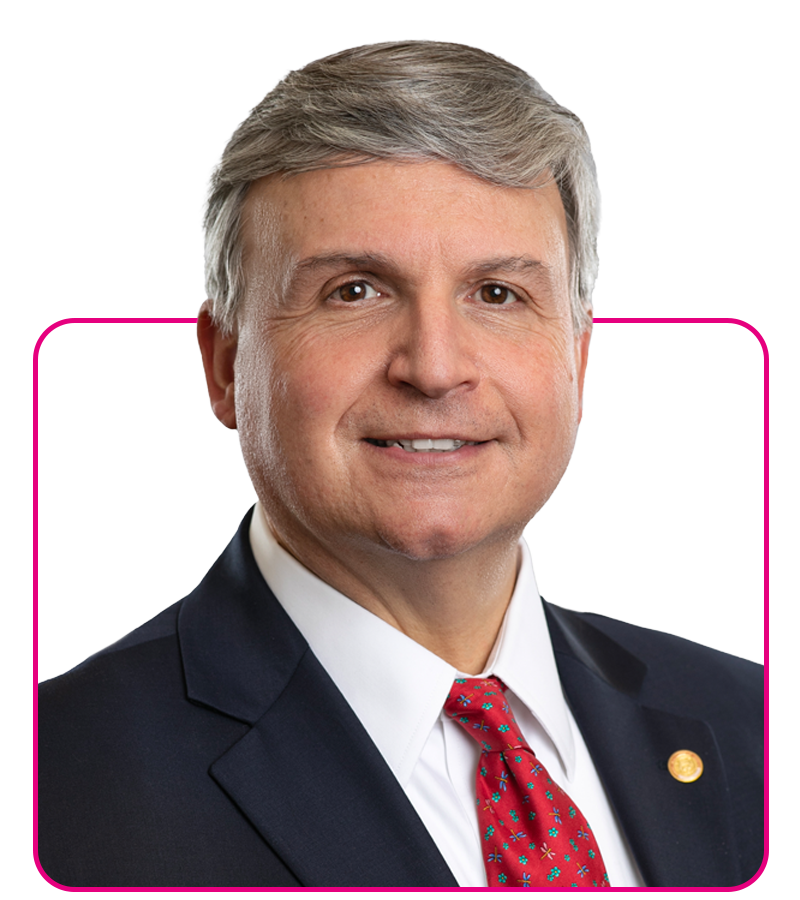
Georgios Romanos, DDS, PhD
Immediate Loading in Action: Turning Theory into Lasting Results
Immediate loading has become one of the most influential concepts in modern implant dentistry, offering reduced treatment times and faster restoration of function and esthetics. Drawing on more than three decades of clinical and scientific experience, Prof. Romanos will present evidence supporting immediate loading protocols using platform-switched implant systems.
The lecture will explore the biological and mechanical factors influencing crestal bone stability and long-term treatment success. Particular attention will be given to clinically proven protocols that allow predictable implementation of immediate loading in everyday practice.
Combining scientific evidence with extensive clinical experience, this presentation provides practical guidance for clinicians seeking predictable and durable treatment outcomes.
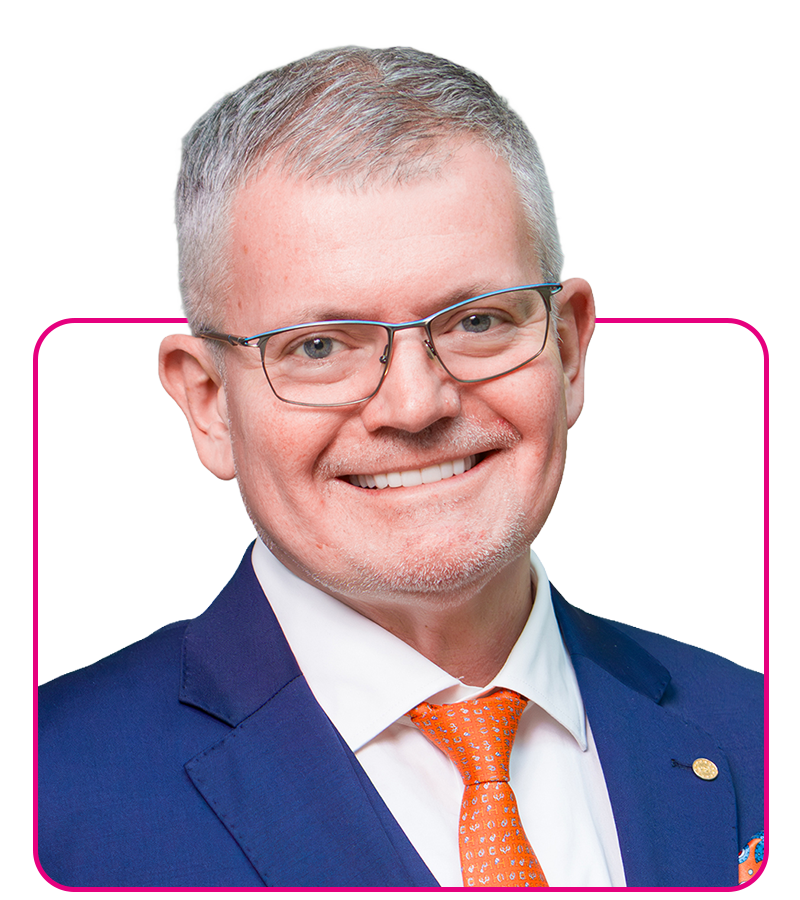
Andrzej Szwarczyński, DDS, PhD
Immediate Full-Arch Rehabilitation: Modular Surgical Guides and Subperiosteal Implants
This lecture provides an overview of contemporary approaches to full-arch rehabilitation performed within a single surgical procedure, particularly for patients with terminal dentition requiring All-on-X treatment concepts.
The presentation will cover digital treatment planning workflows, including CBCT analysis, implant positioning, intraoral scanning, and laboratory integration. Special emphasis will be placed on modular surgical guide systems designed to facilitate accurate and intuitive implant placement, often in conjunction with regenerative procedures.
The concept of “Zero Bone Loss” through passive fit of screw-retained prostheses will be discussed as a key factor in minimizing biomechanical stress and improving long-term outcomes.
For patients presenting with severe bone deficiencies, individualized IUXTA 3D subperiosteal implants will be introduced as an alternative treatment option, enabling immediate rehabilitation without extensive bone grafting procedures. Indications, limitations, advantages, and potential complications of these treatment concepts will also be critically reviewed.
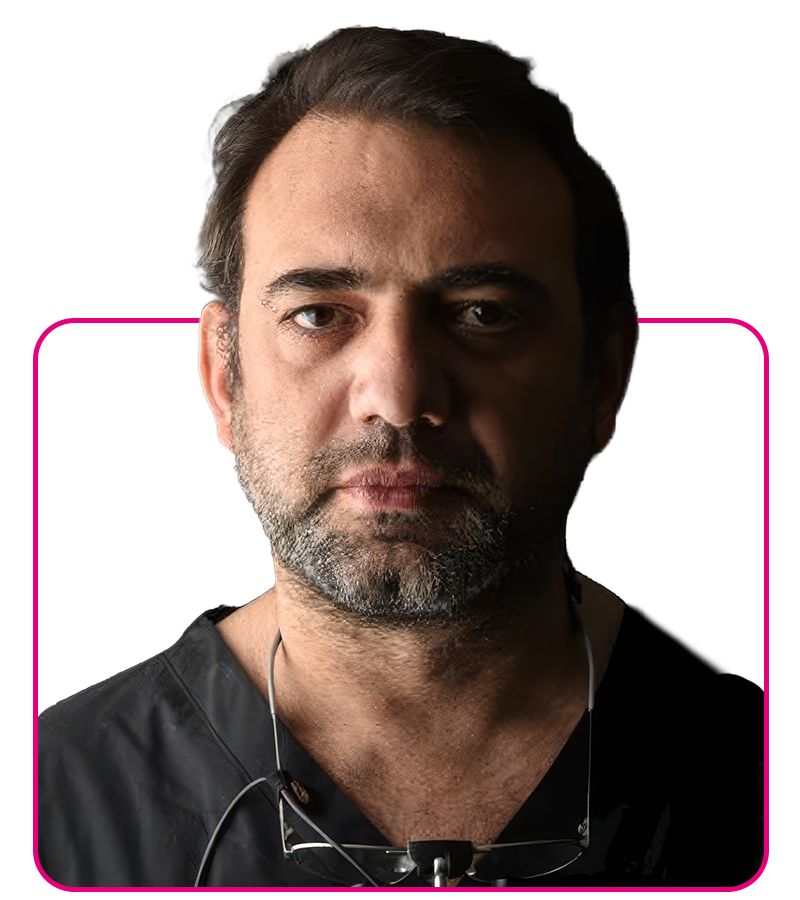
Konstantinos Valavanis, DDS
The Transition Zone in Immediate Implant Placement: A Key Element of Surgical and Prosthetic Planning
The transition zone plays a critical role in achieving predictable esthetic and functional outcomes following immediate implant placement. This lecture focuses on the biological and clinical challenges associated with tooth extraction and the subsequent dimensional changes of hard and soft tissues.
Special attention will be given to the importance of the buccal plate and bundle bone in post-extraction remodeling, as well as the influence of surgical techniques on tissue preservation. The consequences of extraction-related soft tissue changes and their impact on esthetic outcomes will also be discussed.
The presentation highlights the transition zone as a strategic area requiring careful surgical and prosthetic planning. Regenerative procedures and provisional restorations will be examined as essential tools for tissue management and long-term stability.
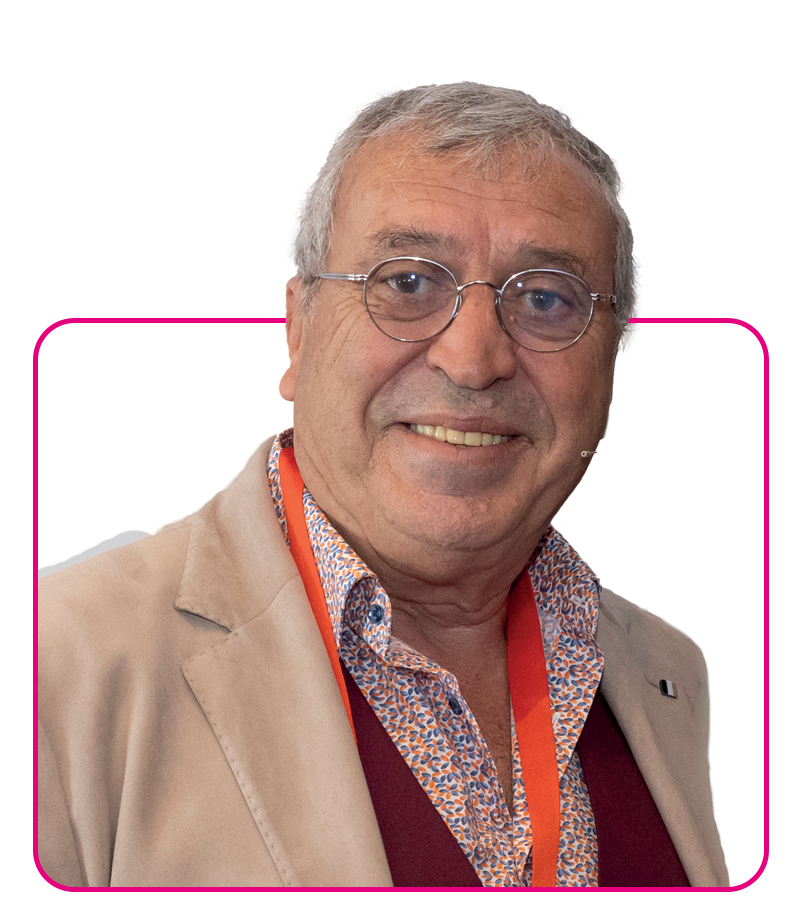
Joseph Choukroun, MD
Osteoimmunology: A Game Changer in Modern Implant Dentistry and Bone Regeneration
Osteoimmunology is redefining the understanding of bone healing and regeneration in implant dentistry. This lecture explores the complex interactions between the immune system and bone metabolism, and their influence on implant treatment outcomes.
Topics will include the role of inflammation as a physiological component of healing, the impact of immune balance on bone cell function, and oxidative stress as a potential risk factor for treatment failure. The importance of optimizing the biological environment before implant placement will also be addressed.
Current concepts in antibiotic therapy, the immunomodulatory effects of platelet concentrates (PRF), and emerging clinical protocols such as open wound healing will be presented. The lecture will further examine peri-implantitis from an immunological perspective and discuss how osteoimmunological principles can contribute to more predictable long-term clinical success.
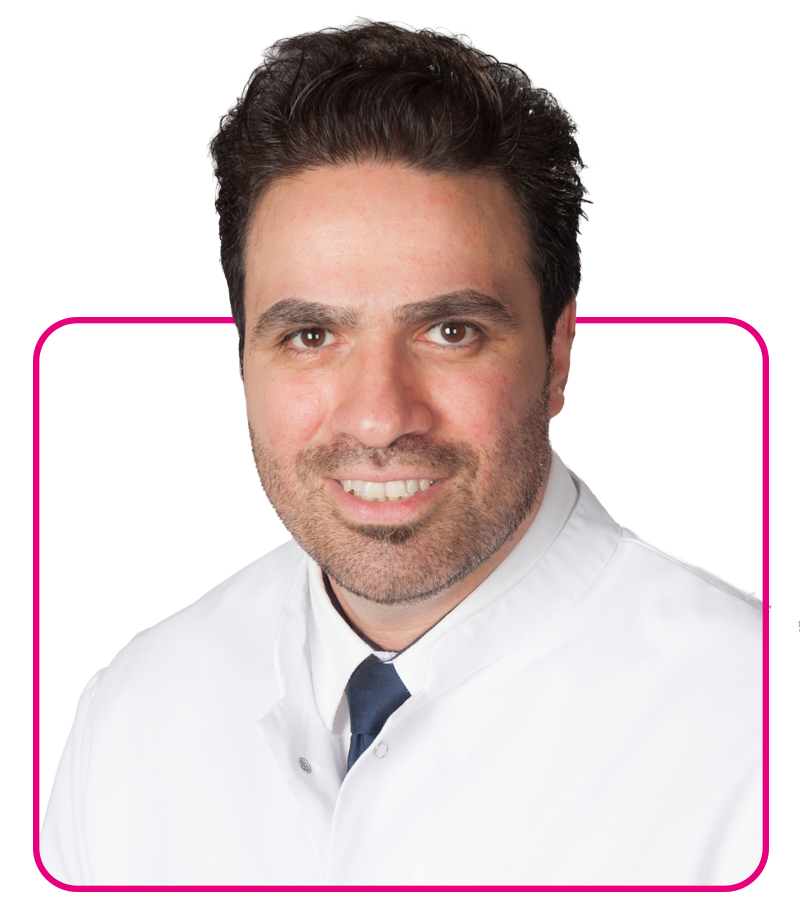
Adriano Azaripour, DDS, PhD
Soft Tissue Management Around Dental Implants: Biological Principles and Clinical Strategies
Peri-implant soft tissues play a fundamental role in achieving long-term implant success and optimal esthetic outcomes. Beyond their protective function, they significantly influence peri-implant health, tissue stability, and patient satisfaction. Insufficient soft tissue volume or quality has been associated with a higher risk of recession, inflammation, and compromised esthetics.
This lecture reviews the biological principles governing peri-implant soft tissue behavior, with particular focus on keratinized mucosa, tissue thickness, and the biological seal around implants. Key risk factors affecting soft tissue stability—including implant positioning, surgical timing, and prosthetic design—will be analyzed.
Evidence-based treatment strategies ranging from preventive measures to advanced surgical interventions will be presented. Techniques such as soft tissue augmentation, connective tissue grafting, and the use of biomaterials will be critically evaluated with regard to indications, clinical outcomes, and long-term predictability.
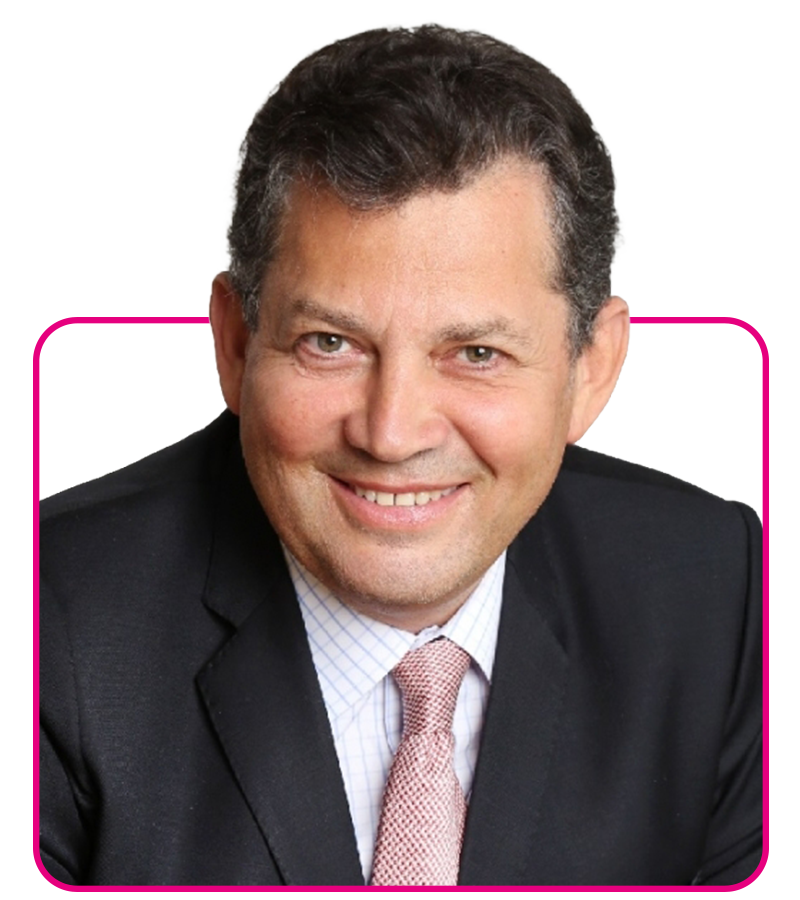
Marius Steigmann, DDS, PhD
Correction of soft tissue failures arround implants
Soft tissue complications around dental implants can compromise both esthetic outcomes and the long-term stability of implant treatment. Dr Marius Steigmann will discuss the most common soft tissue failures, their causes, and available corrective approaches.
The lecture will focus on planning corrective treatment and selecting the appropriate surgical technique for each clinical situation. Particular attention will be given to soft tissue quality, volume, and position, as well as to the factors that determine treatment predictability and the long-term stability of the achieved result.
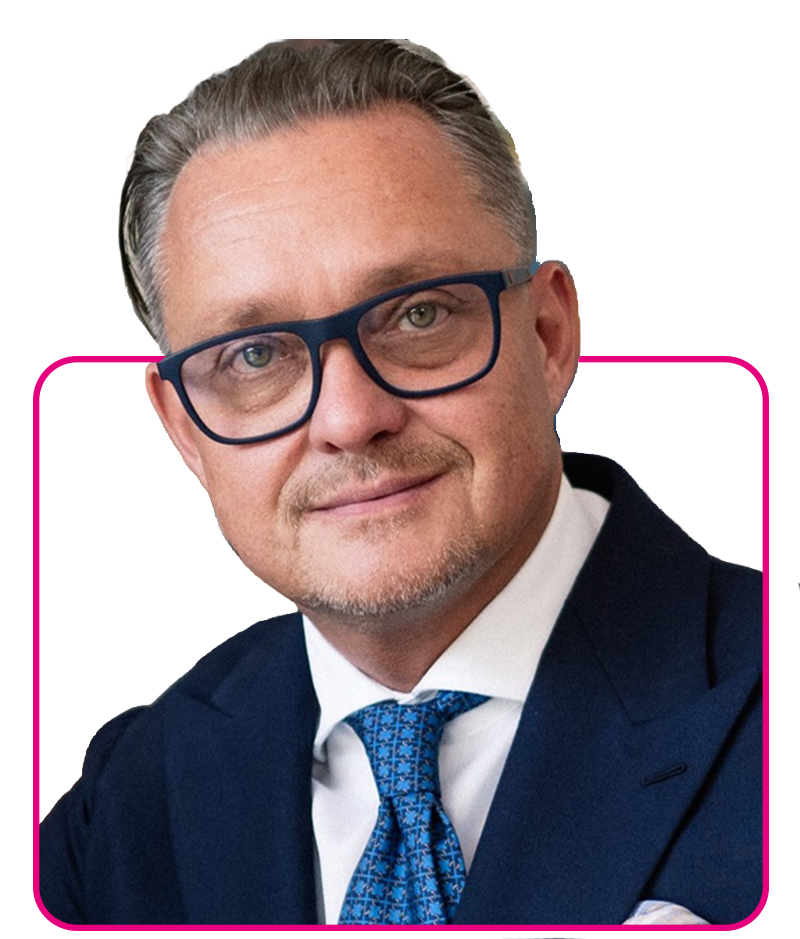
dr. hab. Krzysztof Dowgierd, MD, PhD, prof. UWM
Personalized Craniofacial Surgery: From Digital Planning and 3D Printing to Patient-Specific Implants
This lecture presents contemporary approaches to personalized surgical treatment of the craniofacial region using digital technologies. The workflow from diagnostic imaging and virtual surgical planning, through the design and 3D printing of anatomical models and surgical guides, to the use of individually designed patient-specific implants will be discussed.
Based on complex reconstructive cases, the lecture will demonstrate how these technologies can improve surgical precision, facilitate accurate restoration of anatomy, and allow subsequent stages of treatment to be planned in advance. Particular attention will be given to the factors that determine the predictability of surgical outcomes.
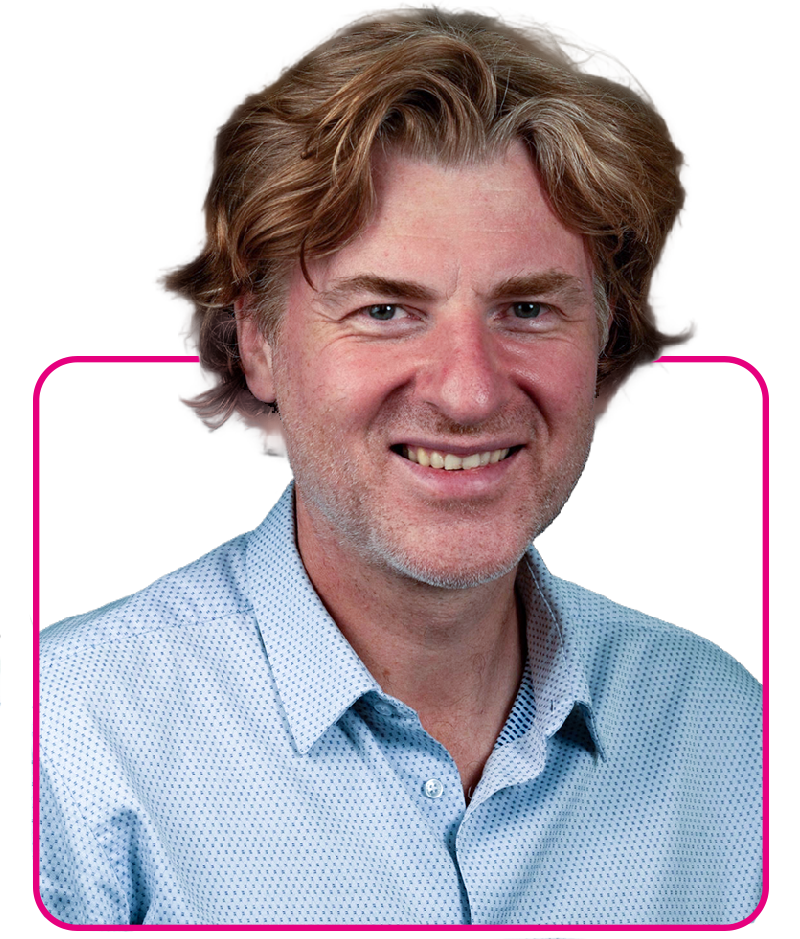
dr. Martin Tomeček
Multilayer Socket Reconstruction with Autogenous Dentin in Immediate Implant Placement
Immediate implant placement requires not only accurate implant positioning, but also predictable reconstruction of the hard and soft tissues surrounding the extraction socket. Dr Martin Tomeček will present a multilayer reconstruction technique using autogenous dentin as an augmentation material.
The lecture will cover case selection, preparation of the grafting material, and the consecutive stages of the surgical procedure. Particular attention will be given to the factors affecting treatment stability and predictability, the use of this technique in immediate implant procedures, and its role in comprehensive implant treatment planning.